
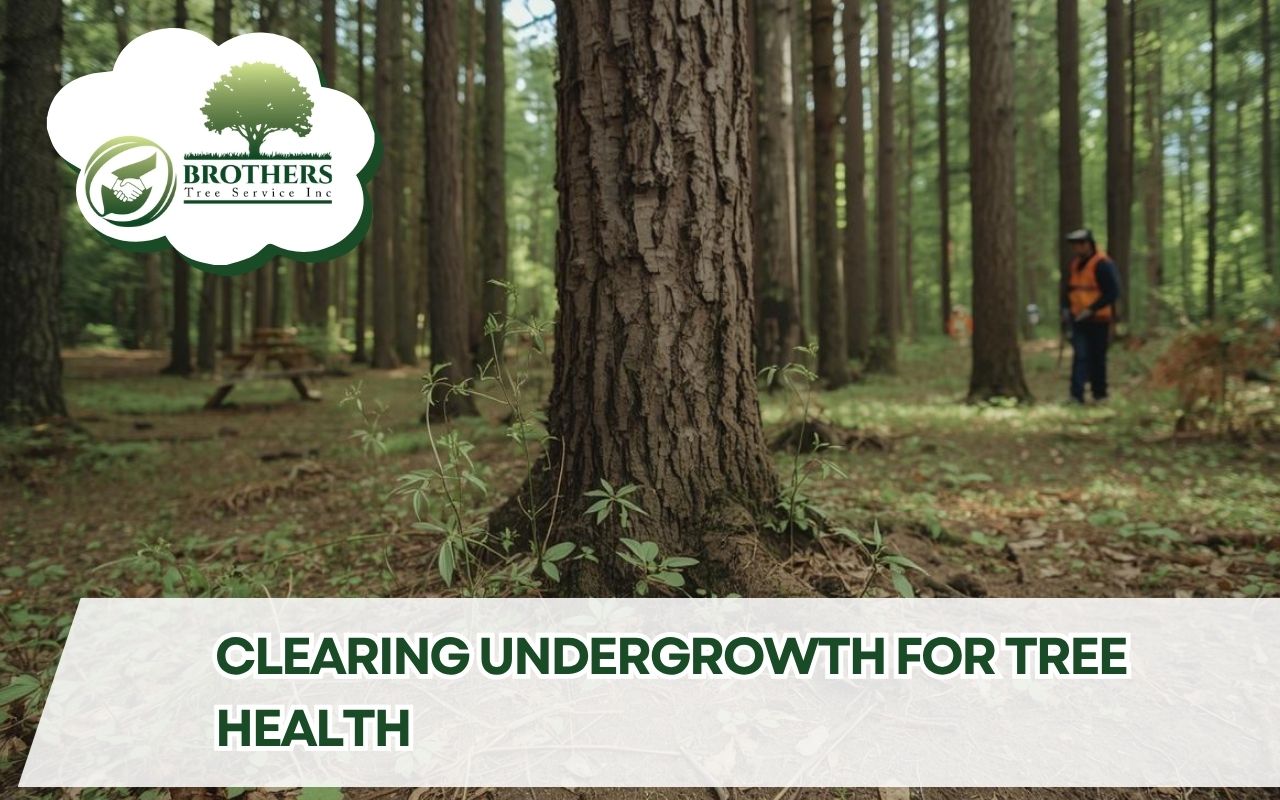
Breathe new life into your woodland by clearing undergrowth for tree health with simple, safe habits. Beneath the canopy, dense brush competes for water, nutrients, and sunlight. That competition slows growth and invites disease. Removing underbrush improves airflow and light, boosting vigor. You are not just tidying up; you are creating a healthier habitat that supports wildlife and long-term resilience.
Why Clearing Undergrowth Matters
Clearing undergrowth for tree health ensures young saplings and mature trees access key resources. Thick shrubs and vines compete with roots for moisture and nutrients. That leads to slower growth and weaker wood. Removing competition lets roots spread and foliage flourish. Improved airflow also lowers humidity, discouraging fungi and pests. Healthier trees then resist disease and recover faster from minor injuries.
Spot the Problem: Competing Undergrowth
Identify aggressive vines, fast-spreading shrubs, and dense groundcovers. Kudzu, buckthorn, and honeysuckle can smother trunks and limbs. Grasses and ferns trap moisture at the base, increasing rot risk. Look for overcrowded saplings, standing water, and bark scarring from clinging vines. Early detection allows targeted removals and fewer repeat visits. Schedule clearing before issues escalate or wildlife nesting peaks.
Tools and Equipment You’ll Need
The right tools make clearing undergrowth for tree health faster and safer. Choose quality gear to reduce fatigue and injuries.
- Pruning shears, loppers, and a hand saw for small limbs and vines.
- Brush cutter or cordless trimmer for dense patches and edges.
- Rake, shovel, and a wheelbarrow for debris and root removal.
- Chainsaw only with training and full protective equipment.
- See Tools for Tree Trimming for more guidance.
Safety First: Precautions Before You Start
Protect yourself before tackling heavy brush. Survey the site and prepare a safe workflow.
- Wear safety glasses, long sleeves, trousers, and steel-toed boots.
- Use ear protection with power tools and a hard hat under limbs.
- Flag hidden holes, uneven ground, and overhead hazards.
- Inspect tool guards, chain brakes, and batteries before use.
- Keep a first aid kit and a charged phone within reach.
Efficient Techniques for Clearing
Work from the top down. Cut tall vines and shrubs first, then lower layers. This prevents debris from burying cleared zones. For larger plots, consider mulching cut material in place. Use a chipper to create organic mulch for tree rings. Mulch suppresses weeds, retains moisture, and returns nutrients. For shaping canopies afterward, review Tree Trimming Tips for Healthier Trees.
Best Practices for Sustainable Management
Plan seasonal cycles rather than one-off projects. Clear once or twice yearly, based on growth rates. Avoid stripping all organic matter. Leave beneficial natives that feed pollinators and enrich soil. Remove invasive roots fully to prevent rapid regrowth. After clearing, apply a thin mulch layer to reduce erosion and conserve moisture. For timing canopy work, see Best Time to Trim Trees for Better Growth.
Benefits You’ll Notice Quickly
Regular sessions of clearing undergrowth for tree health deliver rapid returns for property and ecology.
- Deeper roots, fuller canopies, and improved drought tolerance.
- Reduced disease pressure through better light and airflow.
- Lower wildfire risk by removing ladder fuels and fine debris.
- Easier inspections, access, and ongoing maintenance.
- See the broader Benefits of Trimming for canopies.
Monitoring Progress After Clearing
Track outcomes to refine your schedule. Tag sample trees and photograph them each season from the same angle. Note leaf size, shoot length, and canopy density. Periodic soil tests reveal nutrient and pH trends. If new growth and color improve, your clearing undergrowth for tree health plan is working. Adjust frequency and mulch depth according to observed recovery and weed pressure.
Balancing Habitat and Tree Health
Clearing undergrowth for tree health does not require a bare forest floor. Keep patches of native shrubs for shelter and forage. Create small brush piles away from trunks to support reptiles and amphibians. Encourage flowering natives between sessions for pollinators. Incorporate downed logs to host fungi and insects, which feed birds. Biodiversity strengthens resilience and stabilizes the ecosystem over time.
When to Call the Pros
Some sites demand professional help, especially near structures and utilities. Consider expert support for heavy vines, steep slopes, and hazardous trees. For removals or complex canopy work, explore Tree Removal Vista CA and Tree Trimming Vista CA. A certified crew can integrate clearing undergrowth for tree health with pruning and risk mitigation.
Frequently Asked Questions
How often should I clear undergrowth?
Once or twice per year suits most properties. Increase frequency if invasives rebound quickly or growth is unusually vigorous.
Will clearing undergrowth harm wildlife?
No, if done selectively. Retain native patches, schedule outside nesting seasons, and create discrete habitat piles.
Should I mulch the cleared material?
Yes. Chipped mulch suppresses weeds, conserves moisture, and returns nutrients, supporting clearing undergrowth for tree health goals.
Can trimming the canopy replace clearing?
They complement each other. Canopy trimming improves structure, while ground clearing reduces competition and disease pressure.
When should I hire a professional?
Hire pros for hazardous trees, heavy vines, or work near utilities. Certified crews manage risks and compliance.
Enhancing Your Forest Ecosystem
Clearing undergrowth for tree health is a cornerstone of long-term woodland care. Combine seasonal clearing, targeted removals, and habitat-minded choices. Monitor results and refine methods as conditions change. For tailored advice or a site assessment, contact us today. Your trees will respond with stronger growth, improved resilience, and lasting beauty.