
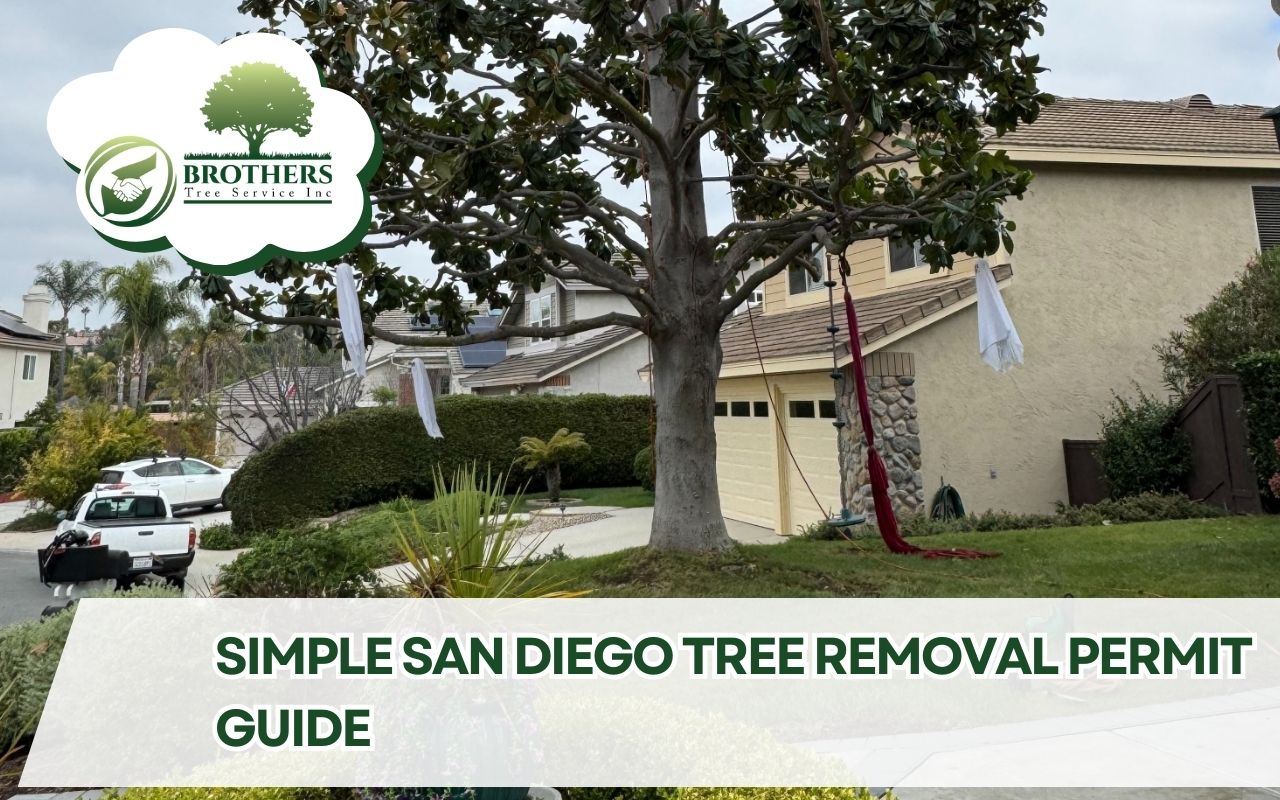
This San Diego tree removal permit guide turns a confusing process into clear steps you can follow with confidence. City rules, heritage tree protection, and neighborhood concerns can feel overwhelming at first.
However, once you understand the basic steps, the permit process becomes manageable. You can protect your property, respect local rules, and avoid fines or project delays while caring for your trees responsibly.
Understanding San Diego Tree Removal Regulations
Understanding city regulations for tree care starts with the local codes that control vegetation on private property. In San Diego, removing a tree without permission can lead to fines, delays, and even orders to replant trees.
This San Diego tree removal permit guide helps you learn the main rules, including height and trunk size limits that trigger a permit. Knowing the basics about protected species and approved removal reasons is essential for every property owner.
- Review city codes that apply to private and street trees.
- Check size limits that require a tree removal permit.
- Confirm if the tree is a protected or native species.
- Note any special rules for heritage trees on your lot.
Most home projects must follow the city’s Public Right-of-Way Manual and Land Development Code. These documents set standards for planting, trimming, and removing trees so safety and community goals stay in balance.
If you already know removal is needed, consider hiring experts in professional tree removal in San Diego to handle permits and safe work on site.
Identifying Trees Requiring Permits
Identifying which trees need a permit in San Diego means checking size, species, and location carefully. In general, any tree with a trunk diameter of six inches or more, measured at four and a half feet above the ground, may need approval.
City regulations also protect certain native species, such as coastal live oak and Torrey pine, even at smaller sizes. In addition, heritage trees receive extra protection because of their age, beauty, or environmental value.
- Measure diameter at breast height (DBH) at 4.5 feet.
- Confirm the species using the city’s approved tree list.
- Check if the tree appears on a heritage trees list.
- See whether the tree stands in a public right-of-way.
If you see a protected or heritage tree on your property, you must apply for a tree removal permit San Diego residents use to manage trees safely and legally.
Steps to Determine if a Permit Is Needed
First, review the city’s online resources, which explain basic size limits, exceptions, and protected species. If anything is unclear, a quick call to the Urban Forestry Division can explain whether your tree falls under protected categories or minimum size rules.
Using this San Diego tree removal permit guide, you can collect the right information before you contact the city. This preparation helps you avoid delays later in the process and makes each step easier to complete.
Information to Gather Before You Apply
Gathering details early allows you to answer city questions quickly and accurately.
- Tree species and, if known, approximate age.
- Trunk diameter measured at breast height.
- Exact location on your property or in the right-of-way.
- Photos that show the tree and nearby structures.
With these details ready, you can complete the city’s checklist or inquiry form and decide whether a full permit application is required.
Preparing Your Tree Removal Permit Application
Preparing a complete permit application means collecting documents that explain your needs and show respect for city regulations. Start by creating a simple site plan that marks the tree’s location in relation to your home, sidewalks, and property lines.
Next, take clear photos from several angles. Show health issues such as disease, pests, or unsafe leaning. If the city or your situation requires it, ask a certified arborist to write a report describing the tree’s condition and the reasons for removal.
- Basic site plan with buildings, fences, and the tree location.
- Photos highlighting damage, decay, or safety risks.
- Arborist report, if requested or recommended.
- Property survey or engineering report for complex sites.
These materials help the city understand why removal is necessary and how you plan to reduce impacts on nearby property and the environment.
Submitting Your Application to the City
Submitting your tree removal permit application is easier through the online MyPermit portal. Create an account, complete the required fields, and upload your site plan, photos, and any arborist report directly to the platform.
If you want to reference this guide, you can include the phrase “San Diego tree removal permit guide” in the project description field. This detail can show reviewers that you are following a thoughtful and organized process.
If you prefer in-person help, you may visit the Development Services Center and submit printed forms. However, online submission often moves faster and gives you instant confirmation numbers.
After you submit, check your application status regularly. Respond quickly to any requests for more information so the review can continue without unnecessary delays.
Factors Influencing Permit Approval
Several factors influence whether your permit is approved. First, reviewers examine the tree’s health, looking for disease, decay, or structural issues that make the tree unsafe. If serious problems exist, removal is easier to justify.
Second, the tree species matters. Protected native trees and heritage trees face stricter review. In those cases, you may need to show that trimming, bracing, or other options cannot solve the risk safely.
- Overall health and structural stability of the tree.
- Species status, especially if native or designated heritage.
- Location near walkways, power lines, or buildings.
- Quality of your replanting or mitigation plan.
Finally, a thoughtful replacement plan shows how you will maintain canopy cover and support the city’s long-term urban forestry goals.
Importance of Heritage Tree Preservation
Heritage trees reflect the living history and natural diversity of San Diego. Many are decades or centuries old and provide shade, wildlife habitat, and a strong sense of place for neighborhoods.
By preserving these trees when possible, the city protects important genetic lines and native species that are well adapted to local climate and soil conditions. Their removal without good reason can harm wildlife and reduce urban canopy cover.
When you find heritage trees on your property, consider alternatives before requesting removal. Pruning, cabling, and root care are common solutions that improve safety while preserving the tree.
If removal is unavoidable, a detailed plan approved by the city should include replanting native species or other actions that help replace lost benefits. This approach supports city regulations and long-term environmental health.
To explore professional support options, you can review our full range of tree care services in San Diego and plan ongoing maintenance for your landscape.
Addressing Neighborhood Concerns
Clear communication with neighbors can ease tension around any tree removal project. Start by informing nearby homeowners about your plans, sharing dates, reasons for removal, and safety measures.
Neighbors often worry about losing shade, changes to wind patterns, or new views into their yards. By talking through these concerns early, you can answer questions and sometimes adjust your plans to reduce impacts.
In some cases, especially when heritage trees are involved, the city may require public notice or a hearing. Support from neighbors who understand the safety or health risks can strengthen your application.
Showing that you listened to community feedback helps city staff feel more confident when they review and approve the permit.
Removing a tree without the proper permit can bring serious consequences. You may face large fines, often based on trunk size, especially for protected species. The city may also require replanting or other mitigation, which adds cost and time.
- Fines calculated per inch of trunk diameter.
- Mandatory replanting or other restoration work.
- Stop-work orders that pause related projects.
- Stricter review of future permit requests.
Beyond legal problems, unauthorized removal can damage relationships with neighbors and city officials. It may lead to closer review of your future projects and limit your options.
By following the San Diego tree removal permit guide and securing approval before any work starts, you avoid these issues and keep your project moving smoothly.
Before planning major work, it also helps to understand typical tree removal prices in San Diego so you can set a realistic budget.
Frequently Asked Questions
Do I always need a permit to remove a tree in San Diego?
No, not always. However, you usually need a permit if the tree meets certain size limits, is a protected species, or is listed as a heritage tree. Trees in public rights-of-way almost always require approval.
How can I tell if my tree is a heritage tree?
You can compare your tree to the city’s heritage trees list or contact the Urban Forestry Division with photos and basic details. An arborist familiar with local rules can also help identify heritage status.
How long does the permit review process usually take?
Timelines vary based on workload, tree type, and project complexity. Complete applications with clear photos, site plans, and reports usually move faster than those missing key information.
Can trimming a tree replace the need for removal?
Sometimes. If the tree is basically healthy, targeted pruning, cabling, or root care may reduce risk enough to avoid removal. The city often prefers safe preservation, especially for native or heritage trees.
Who can help me with the permit and removal work?
A local, insured tree service with permit experience can guide you through each step. For personalized help, you can contact Brothers Tree Service to discuss your tree, paperwork, and safe removal options.
By learning city regulations, identifying protected trees, and following clear application steps, you can simplify a complex permit process. Good preparation, solid documents, and open communication with neighbors all support faster approval.
Use this San Diego tree removal permit guide to move forward with confidence, protect heritage trees when possible, and keep your project on schedule without unpleasant surprises.