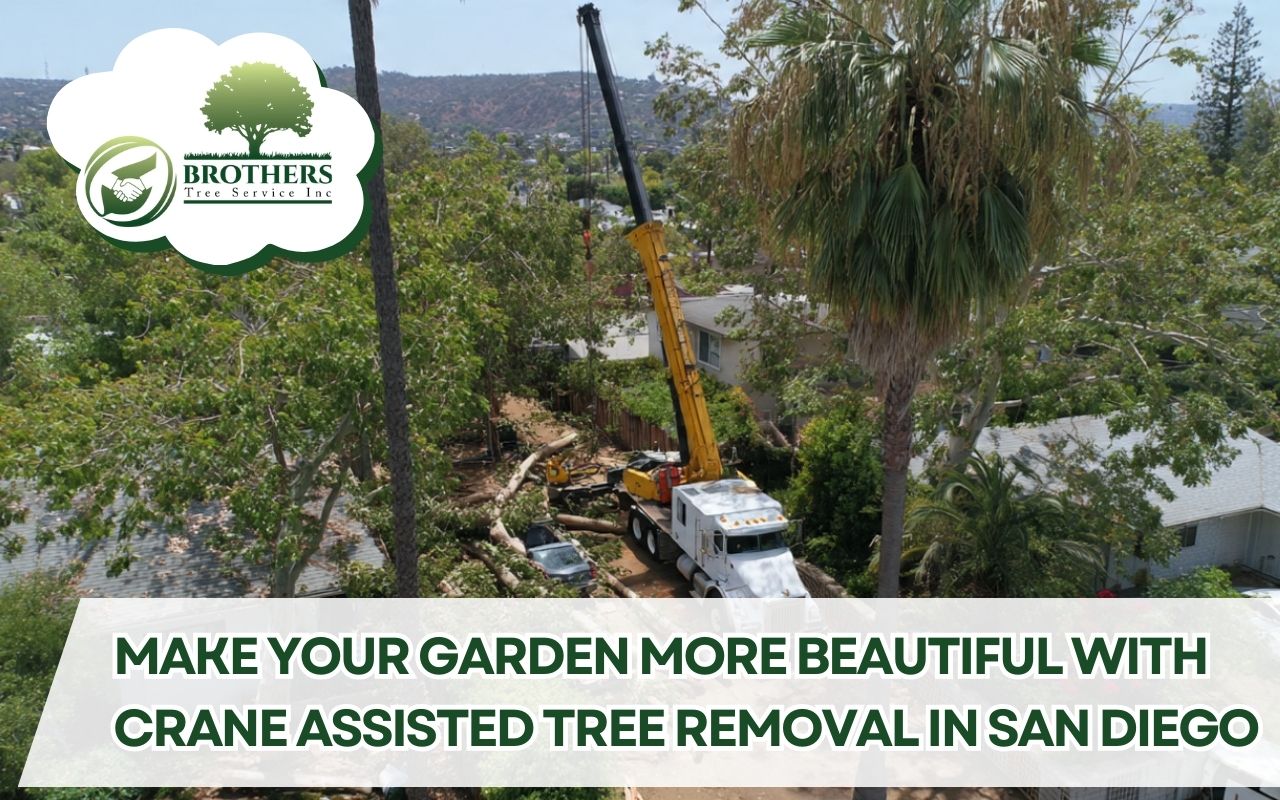
Crane Assisted Tree Removal in San Diego helps you handle unsafe or overgrown trees without harming your garden. This method combines careful planning, lifting power, and skilled rigging so every cut feels controlled and safe.
Moreover, it works well in urban yards with tight access, where traditional methods might damage fences, patios, or nearby plants.
What Is Crane Assisted Tree Removal?
This removal method uses a crane to lift tree sections straight up and away from your garden. Instead of dropping heavy limbs to the ground, crews attach rigging, cut each piece, and guide it safely into a designated landing zone.
Therefore, large tree removal becomes more precise, especially when trees lean over roofs, driveways, or neighboring properties.
Benefits of Crane Assisted Tree Removal
When you choose Crane Assisted Tree Removal in San Diego, large tree removal becomes safer, quicker, and more controlled. Crews avoid makeshift setups and reduce the risk of falling branches or sudden swings.
- Improved safety for workers, neighbors, and property.
- Less impact on lawns, garden beds, and walkways.
- Shorter project times thanks to efficient lifting.
- Better results in tight access spaces with obstacles.
Additionally, rigging gear holds each section firmly, which reduces vibration and stress on surrounding soil. As a result, nearby plants and trees stay healthier after the job is done.
For more insight into safe tree work in the area, explore our
tree removal services in San Diego.
Safety Considerations for Crane Work
Before any lift, crews inspect the site and identify power lines, fences, and fragile structures. They mark safety zones on the ground to keep bystanders away from potential drop areas.
- Complete pre-job site inspection and hazard review.
- Clear communication using hand signals or radios.
- Regular checks of rigging lines, hooks, and harnesses.
- Mandatory helmets, gloves, and eye protection for the crew.
Furthermore, weather plays a big role. Strong wind, heavy rain, or storms can stop the job until conditions improve. This careful approach reduces accidents compared with traditional climbing methods.
Equipment Used for Large Tree Removal
Crews select the crane size based on the tree’s height, weight, and access points. Smaller cranes fit narrow driveways, while larger models handle massive trunks and wide canopies.
- Cranes sized to match tree weight and reach.
- Rigging tools such as slings, shackles, hooks, and cables.
- Chainsaws and pole saws for precise cutting at height.
- Ground pads under outriggers to protect soil and hardscape.
Additionally, workers use cones and barriers to mark the work zone. This keeps vehicles and pedestrians away from active lifting areas and falling debris.
Planning Crane Work in Tight Access Areas
Planning starts with a detailed walk-through of your property. Professionals measure the tree, note rooflines, decks, and walls, and decide where to place the crane for safe lifting in tight access spaces.
Next, they design a rigging plan that shows how each section will be cut and moved. They also set up safety zones, confirm permits, and schedule the work to limit disruption in busy neighborhoods.
Why Hire Professional Arborists
Hiring certified arborists for Crane Assisted Tree Removal in San Diego gives you expert care and strong safety standards. These specialists understand tree biology and know which cuts protect surrounding plants and nearby trees.
In addition, experienced crews carry insurance and follow local rules. They handle debris removal and final cleanup, so your yard looks tidy and ready for its next design step.
If you are ready for an on-site evaluation, you can
request a crane tree removal consultation and discuss your specific garden needs.
Environmental Impact of Crane Tree Removal
By planning Crane Assisted Tree Removal in San Diego carefully, crews protect soil, roots, and nearby plants. Since cranes lift pieces vertically, heavy machines do not need to drive across delicate lawns or garden beds.
After each job, professionals sort branches and logs. Often, branches become mulch and logs may be reused for woodworking projects. Consequently, nutrients return to the soil and support new growth.
Key Cost Factors to Keep in Mind
Several elements influence the final cost of crane work. Tree height and weight strongly affect crane size and crew needs. Taller trees usually require more complex rigging and more time on site.
- Tree size, health, and location on the property.
- Level of tight access and obstacles around the tree.
- Permit needs or local protection rules for certain species.
- Debris handling, such as chipping and hauling away wood.
However, investing in experienced professionals often saves money in the long run by lowering the chance of property damage and future repairs.
Maintenance Tips After Tree Removal
After the crane work is finished, caring for your yard helps everything recover. First, address the stump by grinding it below ground level so it does not create tripping hazards or unwanted new shoots.
- Fill the stump hole with quality topsoil and level the area.
- Add compost or organic matter to restore nutrients.
- Reseed grass or plant groundcover to prevent erosion.
- Water new plantings regularly, especially during dry periods.
Over time, these simple steps keep the soil healthy and ready for new landscaping ideas.
Enhancing Your Garden After Large Tree Removal
Once a large tree is gone, you gain valuable light and space. You can use this opening to add flowering shrubs, colorful perennials, or a small vegetable garden that fits your lifestyle.
Moreover, consider adding a focal point such as a bench, birdbath, or water feature. Paths made of stone or wood chips connect different areas and guide visitors through your refreshed landscape.
To see how professional work can change real yards, browse the
before and after tree service gallery for inspiration.
Frequently Asked Questions
When is crane tree removal the best option?
This method works best when a tree is very tall, decayed, or leaning over homes, driveways, or power lines. It is also ideal when tight access makes traditional felling impossible.
How long does a typical crane removal job take?
Many projects finish in a single day, although complex trees or tricky locations may take longer. Planning, setup, and cleanup are included in this timeline.
Will my lawn or garden be damaged?
Because the crane lifts sections straight up, lawns and beds usually stay in better shape. Crews use pads under outriggers and plan travel paths to protect soil and hardscape.
What happens to the wood and branches?
Most companies chip branches on site and haul away debris. Some homeowners keep logs for firewood or mulch, while others prefer complete removal for a clean slate.
Do I need a permit for large tree removal?
In many areas, permits are required for certain tree sizes or protected species. Professional arborists can help you check local rules and handle permit paperwork.
Transforming Your Garden with Crane Assisted Tree Removal in San Diego
With Crane Assisted Tree Removal in San Diego, your yard becomes safer while your garden design feels fresh and open. By combining careful rigging, detailed planning, and skilled arborists, you protect surrounding plants and structures. Finally, you gain the freedom to redesign your outdoor space and enjoy a bright, healthy landscape for years ahead.