
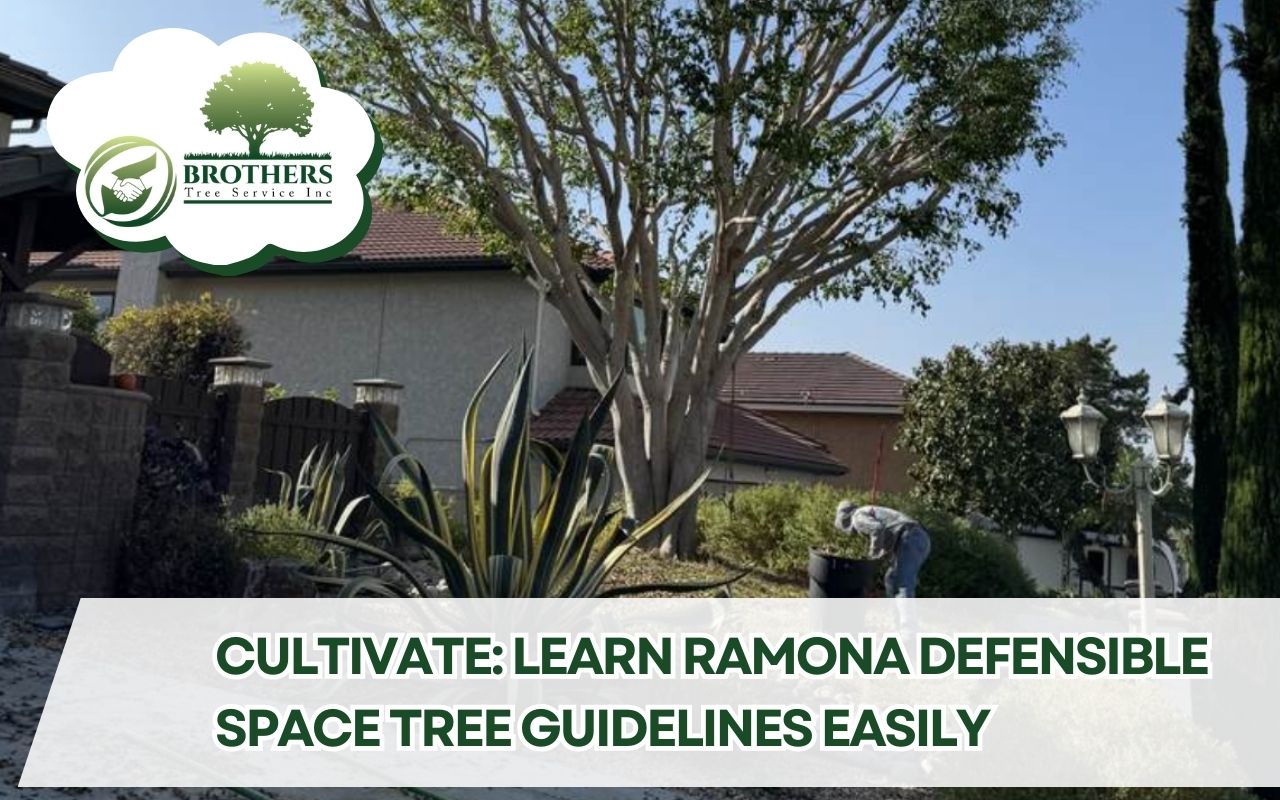
Ramona defensible space tree guidelines make it easier to protect your home from wildfire while keeping your yard attractive. With more natural disasters each year, it is smart to prepare your outdoor areas. Clear steps on tree spacing, branch clearance, and plant choice help you create a safer landscape without losing its natural charm.
These guidelines balance home safety and nature. As you follow them, you support both your property and your neighborhood. Simple actions like trimming trees, spacing plants, and removing dry fuel can slow fire spread. With clear advice and steady effort, you can build a yard that looks beautiful and helps defend your home.
Why Defensible Space Matters Around Your Home
Building a defensible space starts with seeing how a prepared zone around your house can slow or stop wildfire. In Ramona and other fire-prone areas, this buffer reduces flammable material near structures. It protects your house, deck, and sheds while giving fire crews a safer space to work during an emergency.
When homeowners follow defensible space Ramona guidance, they create a safety cushion that buys crucial time in a fast-moving fire. This work is more than clearing brush. It includes smart tree placement, thoughtful plant selection, and regular upkeep. With this mindset, you become a hands-on guardian of your property and your wider community.
Overview of Ramona Defensible Space Tree Guidelines
Understanding the structure of defensible zones helps you apply the Ramona defensible space tree guidelines correctly. Many local rules divide your yard into three main areas: 0–5 feet, 5–30 feet, and beyond 30 feet from any building. Each zone focuses on lowering fire risk in a different way.
- 0–5 feet: Remove plants that burn easily and keep this area clean and clear.
- 5–30 feet: Thin plants, manage tree spacing, and keep lawns or groundcovers low.
- Beyond 30 feet: Remove dead growth and thin trees to slow incoming fire.
In these zones, root-to-canopy care stops flames from climbing trunks into thick foliage. You can also create fuel breaks, such as driveways or open graveled areas, that are less likely to burn. Pruning dead or low branches improves branch clearance and cuts ladder fuels that carry fire from the ground into tree crowns.
If you are unsure how to shape these zones, consider scheduling a visit from a local expert or exploring defensible space tree trimming services in Ramona. A professional eye can help you fine-tune each zone for safety and style.
Identifying Suitable Tree Species for Defensible Spaces
Choosing fire-wise trees is a key step in building a safe yard. Native species that match Ramona’s climate often need less water and care. They usually stay healthier, which lowers fire risk. Trees such as California sycamore, coast live oak, and toyon often have higher moisture in their leaves and can handle local conditions better.
- Favor trees with lower sap and resin levels.
- Pick slower-growing kinds that stay easier to manage.
- Avoid species known to shed a lot of dry, fine fuel.
When planting, group similar species together so maintenance stays simple. This approach makes it easier to monitor growth, prune correctly, and keep even tree spacing. With the right mix of species and smart planting patterns, your landscape can support wildlife, look inviting, and still respect defensible space standards.
Proper Tree Spacing Techniques
Good tree spacing cuts the chance of fire moving quickly from canopy to canopy. A common rule is to separate mature trees by a distance at least half of their full height. For example, a 30-foot tree should stand at least 15 feet from the next one, helping prevent a continuous fuel path in the treetops.
- Thin crowded groups of trees to improve airflow.
- Remove weak or poorly placed trees first.
- Check spacing often as trees grow taller and wider.
Thinning also reduces stress from drought by lowering competition for water, which is vital in Ramona’s semi-arid climate. Regular review and adjustment keep your layout in line with defensible space Ramona standards as the landscape matures. If the task feels large, you can ask about local tree trimming in Ramona, CA to safely manage larger trees.
Ensuring Adequate Branch Clearance
Raising lower branches helps stop ground fires from climbing into the canopy. Many guidelines suggest removing branches up to 6–10 feet above the ground, based on tree height and slope. Steeper slopes may call for extra clearance because flames travel uphill faster and can reach branches more easily.
This kind of pruning supports branch clearance best practices within the Ramona defensible space tree guidelines. Focus on cutting small to medium branches close to the branch collar, and avoid leaving stubs. Clean cuts heal faster and reduce disease. Using proper tools and safe methods protects both you and the tree.
Check branch height at least once a year and again after strong winds or storms. Remove dead, broken, or sagging branches that could drop hot embers onto roofs, decks, or dry ground. For complex or high canopy work, consider professional trimming for fire safety to keep trees healthy and secure.
Implementing Fire-Resistant Landscaping Practices
Fire-resistant landscaping combines hard, non-burning features with low-flammability plants. Near your home, you can replace wood mulch with gravel, stone, or concrete borders. These surfaces act as small fire breaks and reduce places where embers can land and start burning. They also improve drainage and add a neat, finished look.
- Use gravel or stone mulch near walls and decks.
- Plant small, well-spaced shrubs with higher moisture.
- Limit tall grasses and keep them trimmed.
Drought-tolerant plants like certain manzanita or ceanothus varieties can add color without extra fuel, if managed carefully. Place them in small groups with clear gaps of bare soil, gravel, or low groundcovers between them. Smart irrigation keeps plants green and less likely to dry out. Together, these choices support your tree spacing and branch clearance work.
Maintaining Your Defensible Space Over Time
Creating defensible space is not a one-time project. It requires steady care to stay effective. Aim to inspect your property at least twice a year. During each visit, remove dead branches, rake fallen leaves, and clear dry debris. A simple checklist based on the Ramona defensible space tree guidelines can keep you on track.
Healthy plants burn less easily, so monitor trees and shrubs for disease, pests, or drought stress. Replace problem plants before they become hazards. Keep notes on pruning dates, thinning work, and any changes to your layout. These records help you plan future tasks and confirm that your defensible space remains both practical and attractive.
Collaborating with Neighbors for Community Safety
Wildfire safety grows stronger when neighbors work together. Sharing tools, mulch, or even fire-wise plant cuttings can make projects more affordable. Community workdays are useful for bigger jobs, such as clearing roadside brush or improving shared paths and greenbelts. These efforts create a wider buffer that benefits every home on the block.
Neighborhood meetings with local fire officials turn complex defensible space Ramona rules into simple, hands-on lessons. Demonstrations on pruning, tree spacing, and safe equipment use help everyone feel more confident. When an entire street follows similar defensible space practices, the combined effect acts like a large shield against fast-moving fire.
Resources for Additional Support and Guidance
Local fire agencies are some of your best partners in wildfire planning. Many offer free or low-cost site visits and tailored advice based on your property layout. Their crews can show you how to increase safety while keeping your yard welcoming and green. They may also point you toward helpful grants or programs.
Online resources, including state and county fire-safe councils, often provide checklists, planting guides, and short videos that explain defensible space topics in simple language. Local nurseries can suggest plants that fit both your style and safety needs. Community groups and social pages are useful places to share before-and-after photos, tips, and success stories.
Frequently Asked Questions
How often should I review my defensible space?
Review your defensible space at least twice a year and after major wind or rain events. Regular checks help you catch new growth, dry fuel, or damage quickly so you can fix issues before fire season.
Do I need to remove all trees near my house?
No, you usually do not need to remove every tree. Instead, focus on safe tree spacing, good branch clearance, and removing dead or weak trees. Healthy, well-placed trees can stay part of your landscape while still supporting defensible space.
What is the safest mulch to use close to my home?
Within the first few feet of your home, non-wood mulches like gravel or stone are often safer choices. They do not ignite easily and can act as a small fire break while improving drainage and appearance.
Can I create defensible space on a steep slope?
Yes, but slopes need extra care. Increase branch clearance, thin plants more aggressively, and use terraces or retaining walls where possible. Fire moves faster uphill, so reducing fuel and spacing plants carefully on slopes is especially important.
When should I call a professional tree service?
Call a professional when trees are tall, close to power lines, or difficult to access safely. Experts can handle large pruning jobs, assess tree health, and suggest changes that match local defensible space rules and your personal goals.
Achieving a Safe and Beautiful Outdoor Environment
By following these Ramona defensible space tree guidelines, you protect your home and support a more resilient community. Thoughtful tree spacing, careful branch clearance, and fire-wise plant choices turn your yard into a colorful yet safer outdoor retreat.
Lasting safety comes from steady care and teamwork with neighbors. If you would like tailored help for your property, you can reach out through the contact page to discuss defensible space planning and tree care. With clear guidance and consistent effort, your landscape can stay both safe and beautiful.