
Roots Damaging Foundation in San Diego What to Do is a concern many homeowners face, not only those with huge gardens. San Diego’s beautiful trees and plants can sometimes create hidden risks around your property. However, with the right steps, you can protect your home and still enjoy a green and healthy landscape.
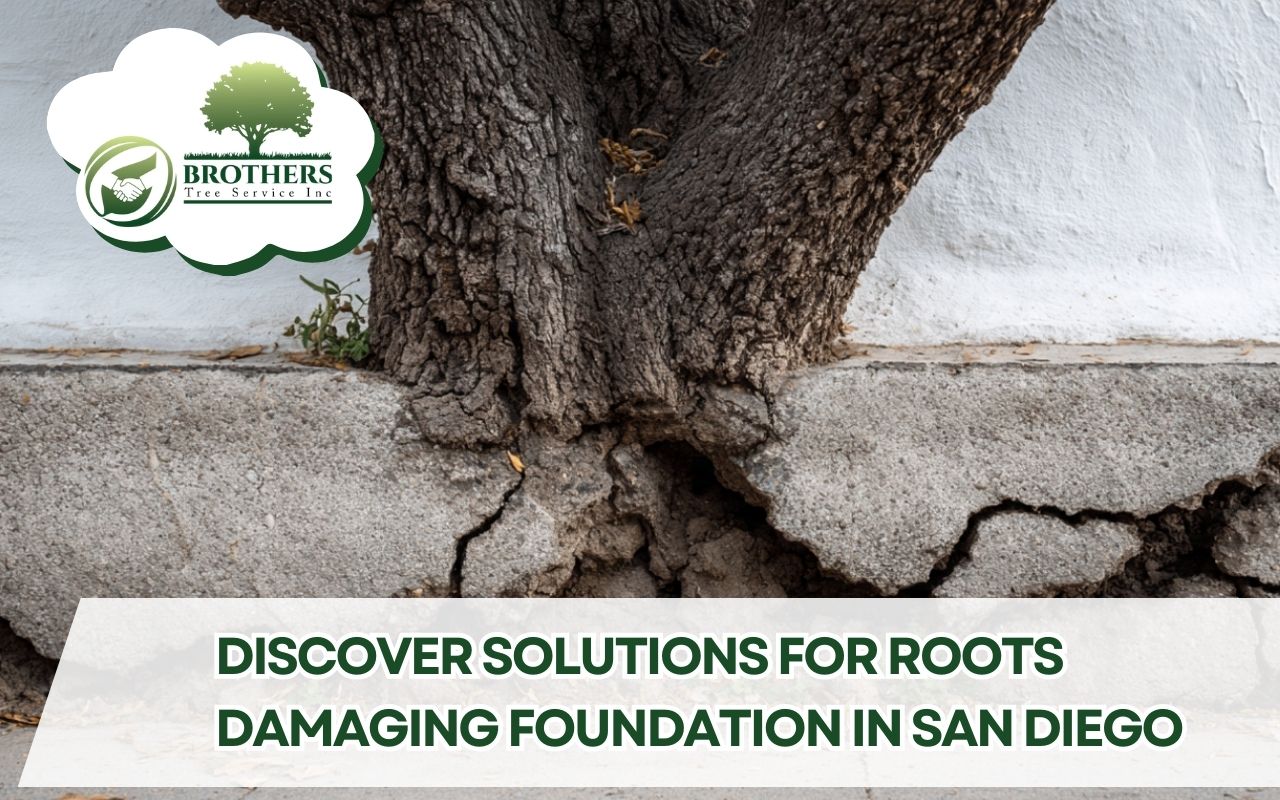
Tree roots may lift sidewalks, crack walls, and stress your foundation over time. When this happens, root barriers and other preventive tools become essential parts of property care. By understanding how roots behave and how they affect concrete, you can avoid big repair bills and keep your dream home safe and steady for years.
Importance of Addressing Root Damage
Recognizing Roots Damaging Foundation in San Diego What to Do early is key to avoiding long-term structural problems. When roots grow near your home, they pull moisture from the soil. This action can cause the ground to shift, leaving your foundation with uneven support and creating silent but serious stress points.
If you ignore minor warning signs, small issues may turn into major foundation cracks and uneven floors. Taking action now protects your property’s value and your family’s safety. A balanced plan manages roots carefully, keeps your trees healthy, and ensures your home stays solid and comfortable for daily living.
Common Signs of Foundation Damage Caused by Roots
When you suspect Roots Damaging Foundation in San Diego What to Do, certain signs often show up first. Inside the house, you may feel sloping or bouncy floors under your feet. You might also notice doors that stick or windows that jam, even after you try to adjust the frames.
Outside, the clues become more visible. Cracks along the foundation wall or gaps between the ground and siding often point to soil movement. You may also see sidewalk lifting as roots push up concrete slabs and create tripping hazards. When these symptoms appear, schedule an inspection before the damage spreads further.
- Uneven or sloping floors inside your home.
- Doors that stick and windows that are hard to open.
- Foundation cracks spreading across interior or exterior walls.
- Sidewalk lifting or raised concrete near large trees.
- Gaps between soil, patios, and your home’s siding.
Preventive Measures to Protect Your Foundation
Start with simple watering habits to guide root growth away from trouble. Deep, occasional watering encourages roots to grow downward instead of spreading near the surface. This approach reduces the chances of sidewalk lifting and wall damage as trees search for extra moisture near your foundation.
Next, create a safe planting zone around the house. Keep large trees away from the foundation and choose shrubs or small bushes for close areas. Additionally, use mulch and regular soil checks to keep moisture levels steady. Together, these steps build a strong, practical defense against future root-related problems.
- Use deep, infrequent watering to direct roots downward.
- Keep large trees a safe distance from the house.
- Choose shrubs and small plants near the foundation line.
- Apply mulch to help maintain even soil moisture.
- Inspect soil for signs of erosion or sinking regularly.
Installing Effective Root Barriers
Root barriers are powerful tools for stopping sideways root growth toward your home. These barriers are usually tough plastic or metal panels placed vertically in the soil. When installed correctly, they guide roots downward instead of letting them push under foundations, driveways, and walkways.
- Mark a line between the tree and the structure you want to protect.
- Dig a trench along this line, reaching three to four feet deep.
- Place the root barrier panels with no gaps between them.
- Backfill the trench with soil, compacting it gently as you go.
- Check the area over time to make sure roots are not crossing above the barrier.
Because alignment and depth matter, it is wise to consult a local tree expert or contractor. A professional makes sure the barrier is deep enough, straight, and continuous. This careful installation greatly improves the barrier’s ability to protect your foundation from future damage.
Choosing the Right Trees and Plants for Your Property
The trees you select today will shape your foundation’s health for decades. Choose species with less aggressive root systems, such as crepe myrtle or Japanese maple, for areas near the house. Avoid thirsty, deep-rooted trees like eucalyptus or willow in close planting zones, since they often chase water under concrete.
If an existing tree is already too close and causing trouble, consider professional tree removal services in San Diego. Removing a risky tree safely helps protect your foundation and underground pipes. At the same time, you can replant with smaller, foundation-friendly trees or drought-tolerant shrubs.
Plan the rest of your landscape with San Diego’s climate in mind. Native grasses, groundcovers, and low-water plants usually need less irrigation, so their roots stay more compact. This thoughtful plant mix keeps your yard lush while reducing the chances of hidden root pressure on your home.
Professional Inspection and Maintenance Tips
Regular inspections help you catch root-related foundation issues early. A qualified inspector can spot small foundation cracks, soil movement, or sagging areas long before they become obvious. They may use tools like laser levels and moisture meters to detect tiny shifts that most homeowners simply cannot see.
Combine these checks with ongoing tree care around your property. Certified arborists can trim roots and branches safely while keeping the tree stable. For example, scheduling professional tree trimming in San Diego reduces heavy limbs and root stress. Additionally, reviewing local tree safety tips guides you in spotting hazards before they affect your home.
Repairing Foundation Damage Caused by Roots
When Roots Damaging Foundation in San Diego What to Do has already caused visible issues, begin with minor repairs. Small foundation cracks can often be sealed with epoxy or polyurethane injections. These materials bond strongly with concrete, seal leaks, and restore strength to weakened sections, especially when applied by an experienced contractor.
In more serious cases, your home may need underpinning. This method supports the structure with deeper concrete or steel piers set below the active root zone. Although underpinning is a larger project, it provides long-term stability and peace of mind. After repairs, keep monitoring walls, floors, and sidewalks to confirm everything stays level.
Cost-Effective Solutions for Root-Related Foundation Issues
Not every situation requires major construction. For minor invasions, careful manual root trimming can slow growth away from structures. Always cut small sections at a time and disinfect your tools between cuts. This method protects plant health and keeps costs lower, especially when roots are just starting to reach sensitive areas.
- Use hand tools for light root trimming in early stages.
- Ask local contractors for quotes tailored to San Diego soils.
- Bundle services such as root barriers and crack sealing together.
- Consider strategic tree removal services in San Diego when a tree poses ongoing risks.
- Schedule routine tree trimming in San Diego to manage growth before it reaches your foundation.
Local experts understand common tree species and typical neighborhood conditions. Their experience helps them suggest the most efficient fixes, from simple trimming to targeted root barriers. By choosing the right mix of DIY tasks and professional help, you can protect your home without overspending.
Environmental Impact of Root Damage Solutions
Foundation protection does not have to harm the environment. When possible, choose root barriers made from recycled plastic or other eco-friendly materials. These options effectively block root spread while reducing landfill waste and avoiding harsh chemicals in the soil around your home.
Support sustainable landscaping practices as part of your plan. Collect rainwater for irrigation to limit groundwater use, and plant native groundcovers that stabilize soil naturally. These choices reduce erosion, support local wildlife, and keep your yard attractive. At the same time, they help balance root growth with long-term foundation safety.
Frequently Asked Questions
What is the best first step for Roots Damaging Foundation in San Diego What to Do?
Start by scheduling a professional inspection of your foundation and nearby trees. An expert can confirm the source of damage, assess foundation cracks, and suggest immediate safety steps. From there, they can recommend root barriers, trimming, or repairs tailored to your specific property and soil conditions.
How do I know if roots or something else caused my foundation cracks?
Signs such as sidewalk lifting near mature trees, cracks that follow root lines, and soil gaps close to trunks often indicate root activity. However, only an inspector or structural engineer can confirm the exact cause. Their report will guide whether you need tree work, foundation repair, or both.
Are root barriers safe for my trees and the environment?
When installed correctly, root barriers are safe for both trees and the surrounding soil. They redirect growth rather than cutting off all roots. Choosing barriers made from recycled or durable materials further reduces environmental impact. A certified arborist can help balance tree health with foundation protection.
Can I trim tree roots myself to protect my foundation?
You can trim small surface roots carefully, especially when they are young and thin. Still, cutting large roots without guidance can weaken or even kill a tree. It is usually better to work with a professional arborist who understands how much root trimming your tree can handle safely.
When should I contact a tree service or foundation specialist?
Reach out as soon as you notice sticky doors, new wall cracks, or raised concrete near trees. Early contact prevents problems from spreading and often keeps repair costs lower. A tree service and foundation specialist can work together to create a practical, long-term plan for your home.
Ensuring Long-Term Stability for Your Home
Acting early on Roots Damaging Foundation in San Diego What to Do helps you avoid expensive repairs later. Simple habits such as installing root barriers, choosing gentle-rooted plants, and arranging regular inspections keep your foundation strong. At the same time, they preserve healthy trees and smooth, even sidewalks around your property.
By combining preventive action, smart landscaping, and prompt repairs, you enjoy both a vibrant yard and a safe home. For tailored advice or help with tree-related risks, you can contact Brothers Tree Service in San Diego. With the right partners, San Diego’s greenery becomes a benefit, not a threat, to your foundation.