
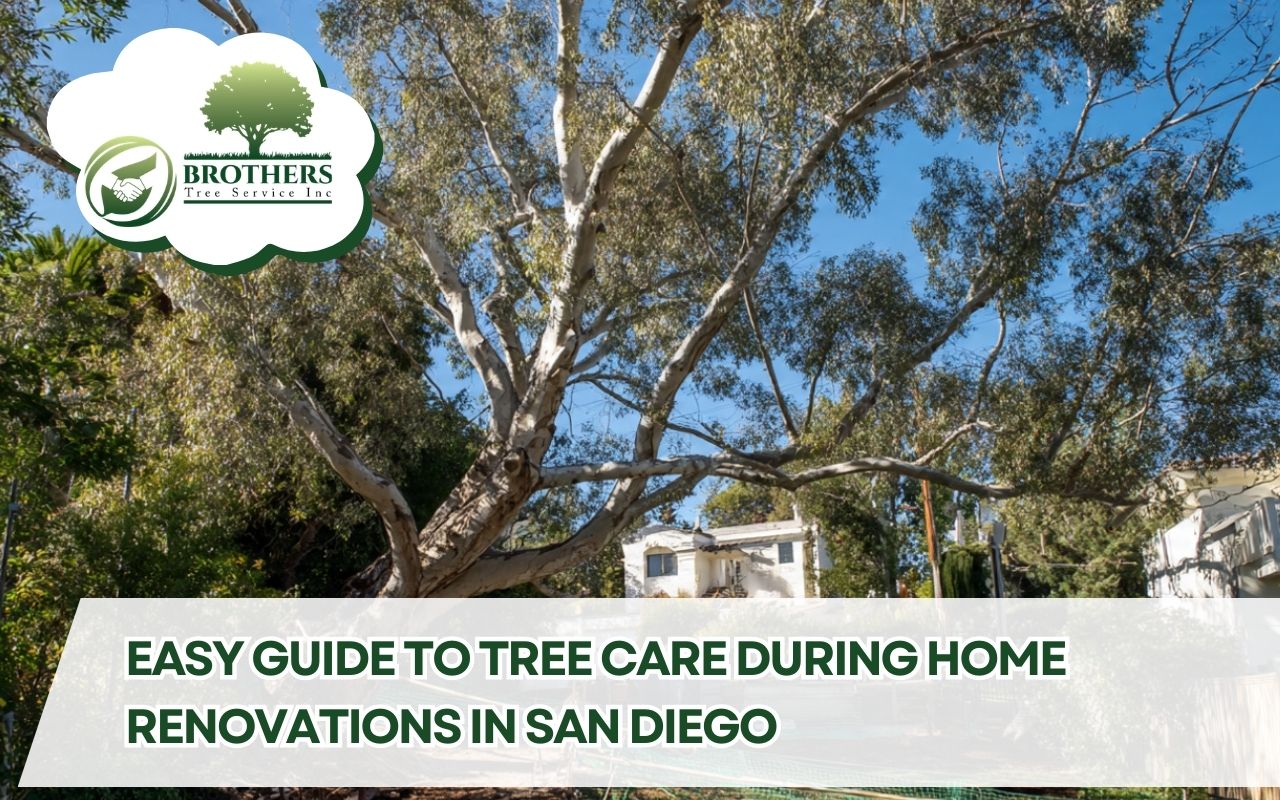
Consider the moment when you’re eagerly planning a home renovation in San Diego. Your mind fills with visions of a refreshed living space. However, have you considered the majestic trees in your backyard? These gentle giants provide shade, character, and even increase the value of your property.
Yet, they can be at risk during construction work. Tree preservation during home renovations San Diego is crucial to keep these natural wonders unharmed. It’s not only about looks. It’s also about supporting the environment and the community’s green charm.
Why Tree Preservation Matters During Renovations
Trees shape the look and feel of our neighborhoods. When you focus on Tree preservation during home renovations San Diego, you protect benefits beyond beauty. For example, trees add shade and can lower cooling needs. Also, they help clean the air by trapping dust and pollution.
In addition, healthy trees can add real value to a home. Many real estate experts say mature trees can raise resale value by up to 15%. They can also help hold soil in place during heavy rain. Therefore, preserving trees supports your property and the wider ecosystem.
- Boost shade and outdoor comfort
- Support cleaner air and healthier spaces
- Protect curb appeal and long-term value
How to Spot Trees That Need Extra Care
Before breaking ground, pinpoint which trees may be vulnerable. Look for dead or broken branches, fungal growth, or roots showing above the soil. Also, trees with shallow roots or a noticeable lean toward the work zone often face higher stress.
Moreover, trees near digging areas or heavy machinery paths risk root harm. Some species handle disruption poorly, such as certain fruit trees or non-native ornamentals. Because of that, early checks help you place protection where it matters most.
- Dead limbs, cracks, or weak branch unions
- Fungi on the trunk or soft, decayed wood
- Roots exposed near walkways or slopes
Set Up a Tree Protection Zone Around Each Tree
Creating a Tree Protection Zone is one of the best ways to protect roots and trunks. Start with TPZ fencing and compaction planning, and place a strong barrier around the dripline. The dripline is the outer edge of the canopy. This boundary helps keep equipment and materials away from sensitive roots.
For best results, install fencing that is at least four feet tall. Then, add clear signs so everyone on site understands the limits. Keep digging, grading, and supply storage outside the zone. As a result, soil stays stable and roots stay safer.
- Fence the dripline with a clear, visible barrier
- Post signs to prevent accidental entry
- Store materials and park equipment outside the zone
Frequently Asked Questions
How far should TPZ fencing be from the tree?
Place fencing at the dripline when possible. If space is tight, keep it as wide as you can. This helps protect most feeder roots.
What is the biggest risk to roots during remodeling?
Soil pressure from machines and stored materials is a major issue. It reduces air and water flow, which weakens roots over time.
Can I drive equipment across a root area if I use mulch?
Sometimes, but only when necessary. Use thick mulch or temporary panels to spread the load. Still, avoid repeated passes.
When should I prune branches during a renovation?
Do it before heavy work begins. That way, you lower the risk of breakage and improve jobsite clearance.
Should I hire a professional for tree checks during the project?
Yes, especially for mature trees near work zones. A trained pro can spot stress early and guide safer decisions.
Reduce Soil Pressure to Protect Root Health
Soil pressure happens when heavy equipment, stored materials, or repeated foot traffic press down the soil. Then, water and air move less freely. Over time, roots can struggle, and the tree may decline. That is why planning paths for machines matters.
If you must cross near a tree, use mulch or temporary panels to spread weight. Mulch also helps keep moisture steady and supports soil comfort. After work ends, light aeration may help restore airflow.
Use Smart Pruning to Improve Safety Without Stressing the Tree
Construction pruning is an important step for safety and tree health. Remove only what is needed, such as dead limbs or branches hanging over a work area. However, avoid heavy cutting that shocks the tree and slows recovery.
Instead, make clean cuts near the branch collar. This supports better healing and lowers disease risk. Also, planning pruning with a specialist can protect both the crew and the tree.
Get Expert Help for Safer Renovations and Healthier Trees
Professional support can protect your trees and reduce costly mistakes. For Brother’s Tree Service INC, experienced crews can help plan safe work zones, handle pruning, and guide best practices during a remodel. If you want to explore available options, review the service details on tree services in San Diego.
Also, if your project needs canopy shaping or hazard reduction, you can learn more about tree trimming in San Diego. In addition, for risk-focused planning, check tree safety guidance to reduce avoidable damage during construction.
Keep Checking Tree Health During the Renovation
Ongoing checks help you spot stress early. Watch leaf color, new growth, and soil moisture. If leaves wilt or bark looks unusual, act quickly. Also, keep watering steady, especially during dry weeks.
Moreover, mulch can protect roots and hold moisture. Light feeding may help if recommended by a specialist. Keeping notes during the job can also help you respond fast if conditions change.
Choose Sustainable Landscaping to Support Long-Term Tree Health
Sustainable landscaping works well with Tree preservation during home renovations San Diego. Native plants often need less water and fewer inputs. Groundcovers can also reduce erosion near root areas. As a result, the soil stays steadier during and after the remodel.
In addition, drip irrigation can deliver water right where it is needed. Organic mulch can improve soil quality and reduce weeds without harsh chemicals. Therefore, your updated yard can stay healthy and easier to maintain.
- Plant native species that match San Diego conditions
- Use drip irrigation to reduce wasted water
- Apply organic mulch to support soil health
Build Local Support for Urban Tree Care
Sharing your plan with neighbors can strengthen your results. For example, a quick talk can prevent misunderstandings about fencing and access. Also, it helps others learn why tree care matters during remodeling.
Community groups and schools may also support local green efforts. When more homeowners protect trees, the whole area benefits. In the end, each yard becomes part of a healthier urban forest.
Final Steps for Renovation Success Without Tree Damage
Tree preservation during home renovations San Diego takes planning, clear boundaries, and steady care. Start with strong fencing, protect roots from pressure, and prune only when needed. Then, keep monitoring during the build so small problems do not grow.
With the right approach, you can finish your renovation while keeping shade, beauty, and cleaner air in place. If you need project-specific guidance, reach out through the contact page to align your remodel with healthy tree care.